
Low-Water Landscaping Ideas for Drought-Proof Yards
Tired of watching your water bill climb every summer? Worried about browning grass during dry spells? You’re not alone. More Minnesota homeowners are discovering that beautiful yards don’t have to be water guzzlers. Low-water landscaping—also called xeriscaping—lets you create an attractive, functional outdoor space while conserving water and saving money.
What Is Low-Water Landscaping?
Low-water landscaping focuses on designing yards that naturally need less irrigation. Instead of fighting Minnesota’s climate, you work with it by choosing drought-resistant plants, improving your soil, and using smart watering techniques. The result? A yard that looks great even during dry periods, with less maintenance and lower water costs.
Seven Core Principles to Get Started
- Plan with Purpose: Group plants with similar water needs together—this is called hydrozoning. Consider reducing lawn areas on slopes or sunny edges where watering is challenging.
- Build Better Soil: Mix compost or organic matter into your soil to help it hold moisture longer. Healthy soil means deeper roots and plants that can handle drought better.
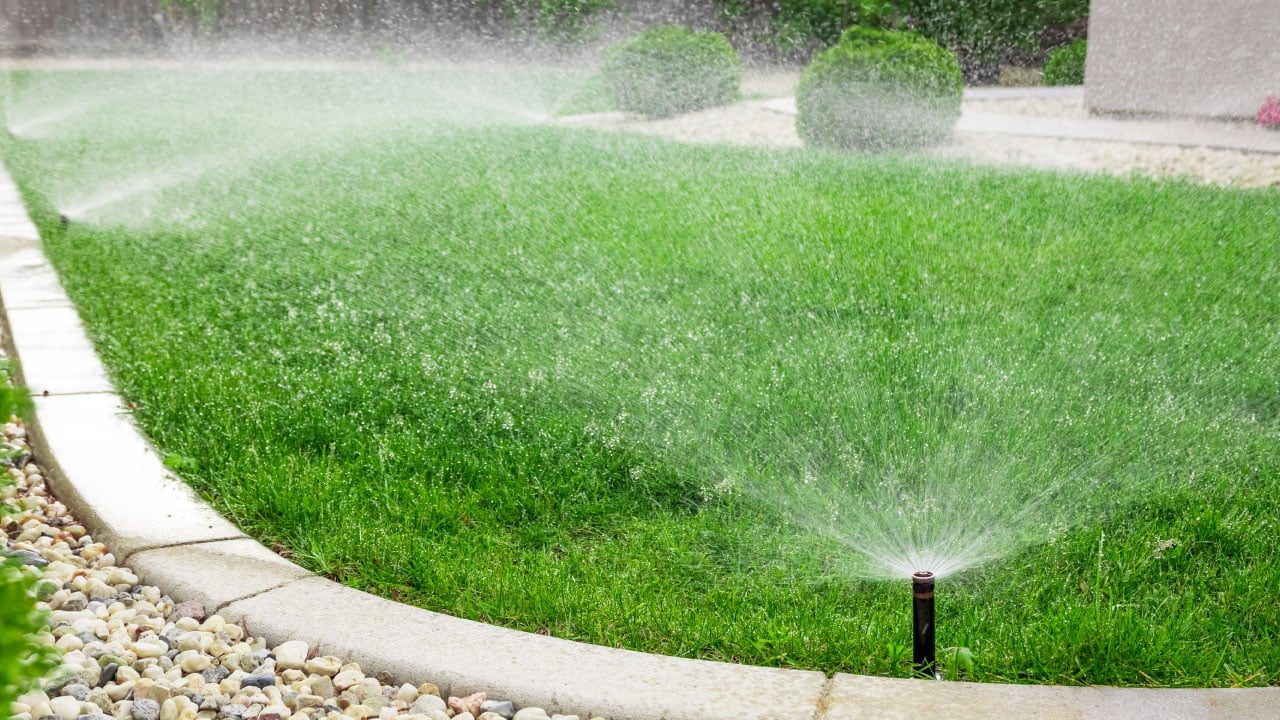
- Water Smarter: Use drip systems or soaker hoses when possible. Water early morning or evening to prevent evaporation. When you do water your lawn, do it deeply and less often rather than light, frequent sprinkles.
- Mulch Generously: Apply 2–4 inches of mulch around plants to reduce evaporation, block weeds, and keep soil temperatures stable. Organic mulches break down over time, enriching your soil.
- Choose the Right Plants: Native and drought-tolerant species are your best friends. They’ve evolved to thrive in our conditions with minimal fussing.
- Rethink Your Lawn: Keep turfgrass only where it serves a real purpose, like play areas for kids or pets. Replace the rest with drought-resistant alternatives.
- Maintain Sensibly: Mow high, adapt to the seasons, and keep up with mulch layers. Simple adjustments make a big difference.
Best Plant Picks for Minnesota (Zones 4B/5A)
For Groundcover and Grasses: Little Bluestem thrives in full sun with deep roots and minimal water. Blue Grama excels in dry areas and low-mow lawns. Fine Fescue mixes are perfect for “no-mow” turf and use far less water than Kentucky bluegrass.
Native Perennials: Purple Coneflower and Black-Eyed Susan are pollinator magnets that handle drought beautifully. Butterfly Weed has a deep taproot that survives extreme dry conditions. Prairie Dropseed forms tidy mounds with low moisture needs.
Shrubs and Trees: Ninebark and Staghorn Sumac thrive in poor, dry soils. Bur Oak develops extremely deep root systems, making it incredibly drought-tolerant.
Seasonal Water Strategies
Spring: Start slow and let roots grow deep by avoiding daily shallow watering. Overseed with drought-hardy grasses if needed.
Summer: Don’t panic if grass browns during peak heat—it’s natural for cool-season grasses. Water only to maintain color, applying about 1 inch per week total, early in the morning.
Fall: This is your best planting season for drought-tolerant species. Apply compost or mulch to prep soil for next year.
Winter: Keep snow from piling up on planting beds. Use dormant months to plan new drought-resistant additions.
Mowing Tips That Help During Dry Spells
Set your mower to 3.5 inches or higher in summer. Taller grass shades the soil, conserves moisture, and encourages deeper roots. Never cut more than one-third of the blade at once—this prevents stress. Mulch your clippings to return nutrients and improve water retention. During drought dormancy, skip mowing until grass greens up naturally.
Design Ideas to Reduce Water Use
Replace thirsty lawns with meadow gardens or native plant beds. Install rain gardens in low spots to capture runoff. Create gravel or mulch pathways to break up lawn space. Use containers with native or Mediterranean herbs that love dry conditions. Add shade trees to reduce evaporation underneath.
Your Next Step
Start small—choose one area of your yard to convert this season. Build healthy soil, select plants adapted to Minnesota’s climate, and water deeply but less frequently. With these strategies, you’ll create a beautiful, resilient landscape that thrives even when rain is scarce.
Need Expert Help?
Scott’s Lawn Care specializes in sustainable lawn solutions for Minnesota’s changing climate. From fine fescue conversions to native plant bed installations and water-smart mowing practices, Scott’s helps homeowners reduce irrigation needs while maintaining curb appeal. Their drainage assessments and xeriscape planning services are designed for long-term resilience.