
Which Bugs Are Good and Bad for Your Garden?
Minnesota gardens bring all kinds of bugs to the yard. Some are secret heroes, quietly boosting your blooms and keeping pests in check. Others? Not so helpful.
Knowing which is which can make a big difference in how your garden looks and survives this season. So let’s break it down: the good, the bad, and the bugs that might be doing more than you think.
The Good Bugs: Nature’s Tiny Garden Crew
Some insects are your garden’s unofficial maintenance team. They help with pollination, pest control, and keeping things balanced.
Pollinators
When people talk about pollinator plants, they are talking about flowers that attract bugs like:
- Bees: Minnesota is home to over 500 native bee species, including bumblebees and solitary bees. These hard workers keep your tomatoes, cucumbers, and berries coming back season after season.
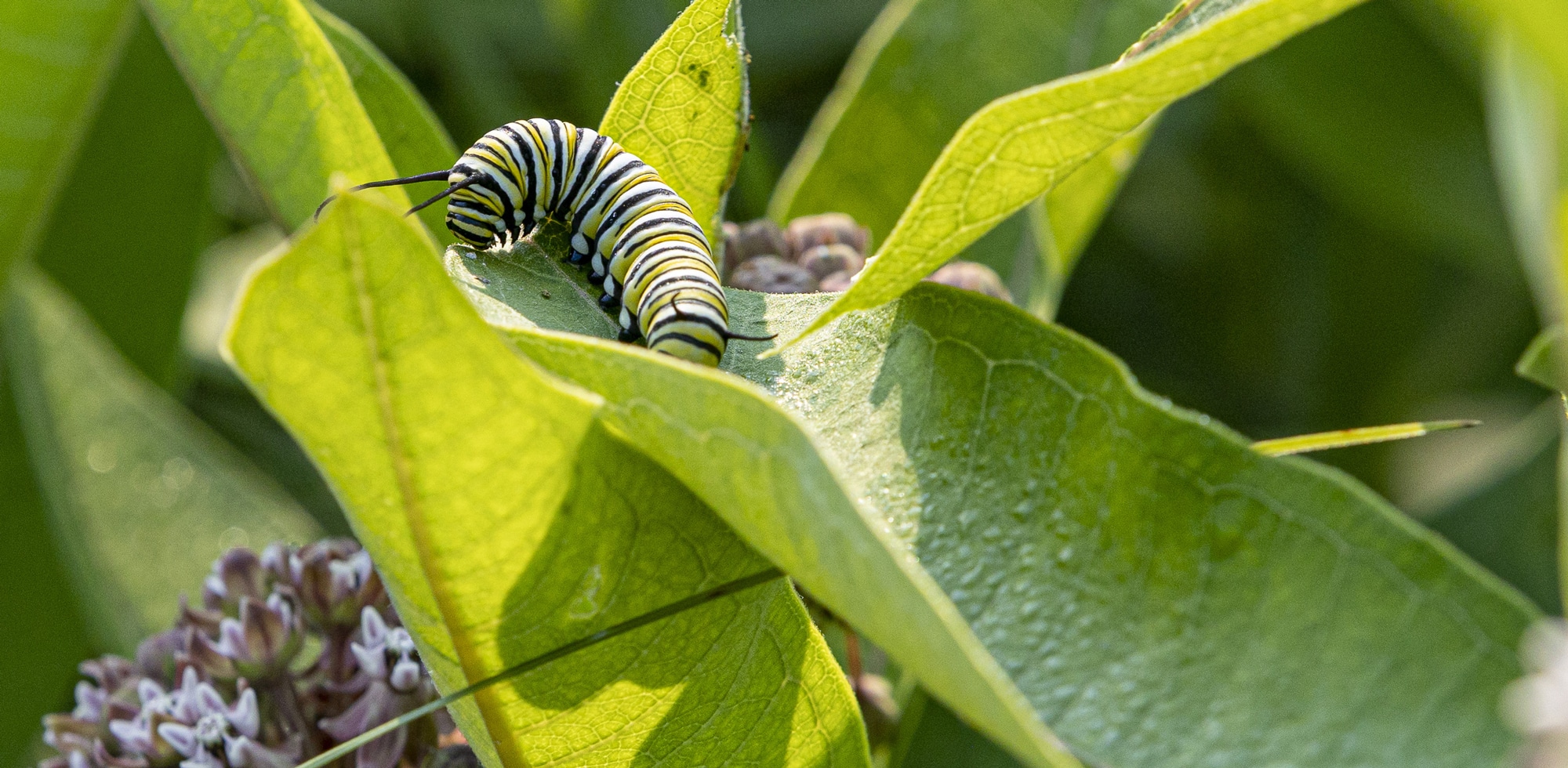
- Butterflies: Monarchs get the spotlight, but there are over 100 species of native butterflies in Minnesota. They gravitate toward milkweed, purple coneflowers, and other native blooms that make your yard come alive.
Predators (The Good Kind)
They may not win beauty contests, but these bugs are pest-fighting champions:
- Ladybugs: Cute, yes. But they are also fierce predators of aphids, mites, and other soft-bodied pests.
- Lacewings: Their larvae are tiny, hungry machines that devour harmful bugs before they get out of control.
- Parasitic wasps: These small insects lay their eggs inside or on pests, stopping the life cycle of damaging bugs like tomato hornworms and caterpillars.
The Bad Bugs: Trouble in Tiny Packages
Now for the ones causing damage. These pests can mess with everything from your lettuce to your lawn.
Aphids
These small, soft-bodied pests suck the sap from leaves and stems, causing curled, yellowed growth. They reproduce quickly and often go unnoticed until the damage is visible.
Japanese Beetles
These metallic green beetles chew through leaves, flowers, and fruit. As adults, they skeletonize foliage. As grubs, they feed on grass roots and can wreck your lawn. Learn more about how we manage grub control and lawn health here.
Squash Bugs
Especially damaging to cucurbits like squash and zucchini, these bugs feed on sap and can cause wilting, yellow leaves, and even plant death. More common in southern Minnesota, but worth watching for in backyard gardens.
Brown Marmorated Stink Bugs
These invasive pests chew on fruits and vegetables and may sneak indoors when the temperatures drop. They are an increasing concern in the region and should be monitored, especially in late summer.
How to Keep the Balance Without Nuking Your Garden
The goal is not to eliminate all bugs. It is to support the good ones and manage the bad ones without harming your plants, soil, or pollinators.
- Plant native flowers: Milkweed, bee balm, and coneflowers attract pollinators and natural predators.
- Avoid harsh chemicals: Broad-spectrum insecticides harm beneficial insects too. Opt for targeted or organic solutions.
- Mix it up: A diverse garden with different plant types makes it harder for pests to take over.
- Stay observant: A weekly walk through your yard can help you spot early signs of infestation or imbalance.
Don’t Let Bugs Derail Your Season
From helping your perennials thrive to making sure your lawn stays healthy beneath the surface, the right bug strategy can mean the difference between a stressed-out yard and one that flourishes.
If pests are pushing your patience, we are here to help. At Scott’s Lawn Care, we offer seasonal cleanups, fertilization and weed control, and full-service landscaping tailored to Minnesota lawns and gardens.
Contact us today to schedule your service and keep your outdoor space in peak condition.