
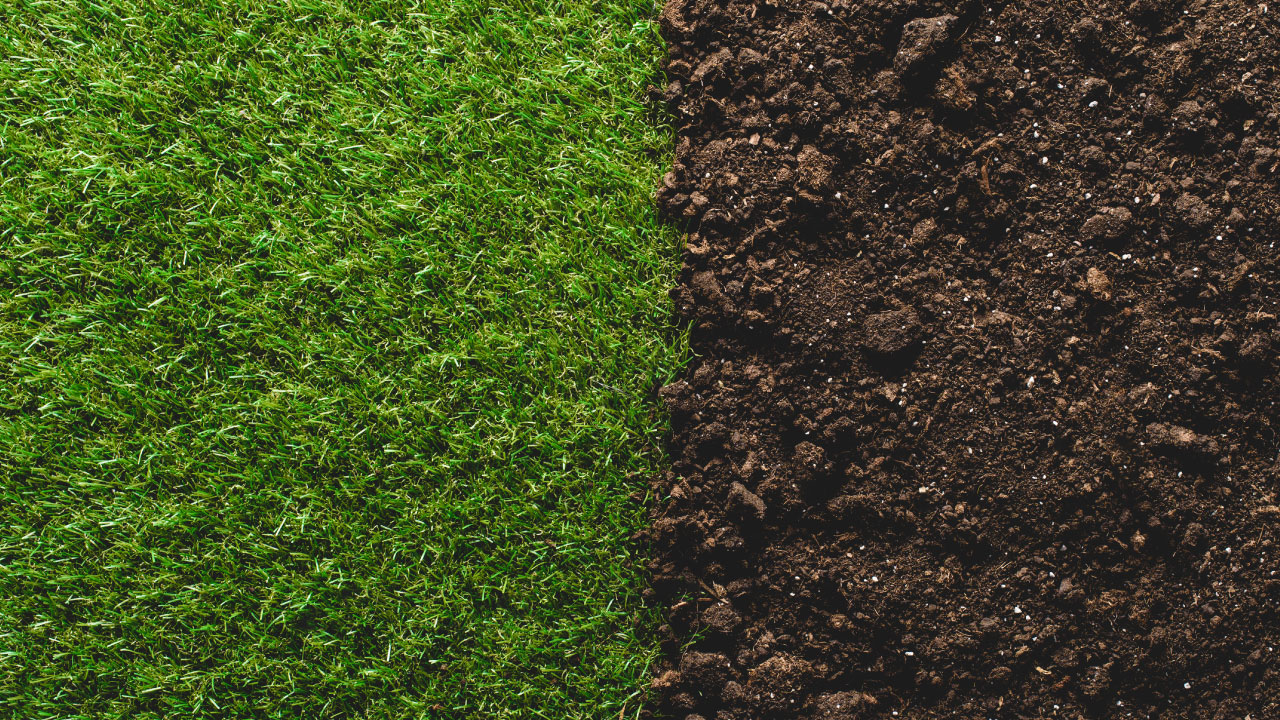
Soil Health Tips for a Thicker, Greener Lawn Year-Round
Ever wonder why your neighbor’s lawn looks like a golf course while yours stays thin and patchy—even though you fertilize just as often? The secret isn’t always what you put on top of the grass. It’s what’s happening underneath. Healthy soil is the foundation of a thick, green lawn, and improving it doesn’t require a chemistry degree or a massive budget. Let’s dig in.
What Makes Healthy Lawn Soil?
Healthy soil supports strong root growth, retains water efficiently, and provides nutrients naturally. The ideal lawn soil is loamy (balanced sand, silt, and clay), rich in organic matter, well-aerated and not compacted, neutral to slightly acidic in pH (between 6.0 and 7.0), and teeming with microbial life like beneficial fungi, bacteria, and earthworms.
Lawns grown in compacted, acidic, nutrient-poor, or sandy soils struggle to stay green and thick—even with fertilizers.
How to Improve Lawn Soil Quality
Aerate to Relieve Compaction
Compacted soils prevent roots from accessing air and water. Core aeration pulls plugs of soil to improve oxygen flow and root growth. Best done in fall or spring, not during heat or drought. For heavy clay soil, annual aeration plus compost topdressing is especially beneficial.
Topdress with Organic Compost
Spread ¼ to ½ inch of compost after aerating. Compost adds microbial life, improves structure, and boosts water retention. Choose well-aged (cured) compost to avoid burning grass.
Adjust pH as Needed
Ideal lawn pH is 6.0–7.0. Too acidic or too alkaline? Fertilizer won’t work efficiently. Use a soil test to determine pH. Add lime to raise pH or sulfur to lower it based on results.
Best Practices for Soil Maintenance Year-Round
Spring: Light aeration if needed. Perform a soil test to check pH and nutrient levels. Apply a light layer of compost before grass enters peak growth to boost soil health early in the season.
Summer: Minimize compaction by avoiding heavy foot or mower traffic, especially when the soil is saturated or extremely dry. Let the lawn go naturally dormant during drought—don’t try to force growth with water or fertilizer.
Fall: This is the most important time for improving soil. Perform core aeration, apply compost, adjust pH with lime or sulfur if needed, and overseed thin areas. Soil is still warm enough in fall to support microbial life and root development.
Winter: Let the soil rest. Avoid walking or parking on frozen turf to prevent soil compaction and crown damage during freeze-thaw cycles.
Low-Input Soil Health Boosters
Leave grass clippings on the lawn to return nitrogen and build topsoil over time. Use native plants or fine fescues in dry or low-water areas—they thrive in low-fertility soils and help rebuild structure with deep roots. Mulch lawn edges and garden beds to keep soil cool and reduce evaporation.
Signs Your Soil Needs Help
Your lawn looks pale or thin, even with fertilizer. Water pools on the surface or runs off quickly. Soil feels rock-hard or spongy (excess thatch). Grass lifts easily—weak roots. You haven’t aerated or tested your soil in 3+ years.
Build the Best Soil for Grass
Test your soil every 2–3 years to guide lime and fertilizer use. Aerate compacted areas in fall or spring—especially if you have clay soil or heavy traffic. Topdress with compost to increase organic matter and support microbial life. Maintain proper pH (6.0–7.0) for nutrient uptake. Use grass clippings and native plantings to naturally enrich the soil.
Healthy soil isn’t a one-time fix—it’s a slow, compounding improvement. But over time, good soil leads to thicker, greener turf with fewer weeds, fewer chemicals, and less water.
Need help with fall aeration, compost topdressing, or professional soil testing? Scott’s Lawn Care delivers soil-first lawn care tailored to Minnesota’s compacted soils and seasonal stress patterns. They help clients build long-term turf health without excessive chemical inputs—and they perform professional soil testing and interpretation to take the guesswork out of lawn care.