
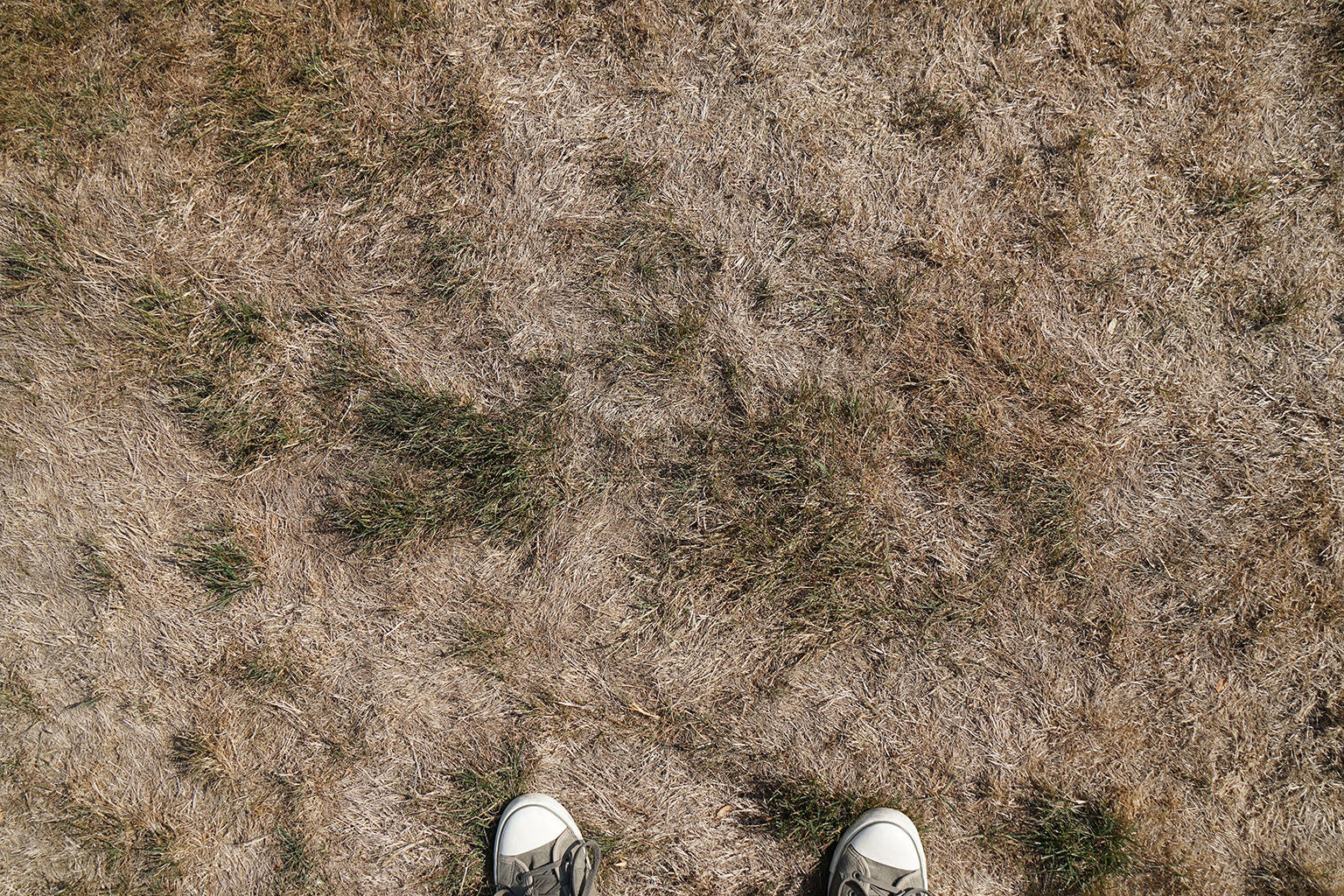
Lawn Diseases to Watch Out for in Minnesota This Year
Worried about patches, spots, or mystery dead zones in your lawn? You’re not alone. Minnesota’s unpredictable weather creates a perfect storm for grass fungus and other common lawn diseases—especially if your yard has compacted soil, poor drainage, or leftover thatch. Knowing what to expect each season can help you stay one step ahead and protect your lawn’s health.
What Causes Lawn Disease in Minnesota?
Most lawn problems in Minnesota are caused by fungal diseases. These aren’t just random issues—they flare up in predictable patterns based on the season, turf stress, and moisture levels.
Cool-season grasses like Kentucky bluegrass, perennial ryegrass, and fescues are common here. While hardy, they’re not immune to disease—especially when wet, humid conditions combine with poor lawn care habits. Things like overwatering, low mowing, or skipping fall cleanup can invite trouble.
5 Common Lawn Diseases to Watch For
Here are the top offenders affecting Minnesota lawns—and when they typically strike:
- Snow Mold (Gray and Pink)
When: Early spring, right after snowmelt
What to Look For: Crusty gray or pink patches that don’t green up
Causes: Long snow cover, high fall nitrogen, uncut grass
Fix It: Mow shorter before winter, rake out matted turf, avoid heavy fall fertilizer - Brown Patch
When: Mid to late summer (July–August)
What to Look For: Large brown patches with smoky or gray edges
Causes: High heat, humidity, overwatering, compaction
Fix It: Mow higher, improve airflow, water deeply but less often - Dollar Spot
When: Late spring through fall
What to Look For: Small, tan spots the size of a silver dollar
Causes: Low nitrogen, dry soil, thatch
Fix It: Fertilize properly, aerate soil, manage moisture - Leaf Spot & Melting Out
When: Spring to early summer
What to Look For: Purple or brown spots on blades; thinning turf
Causes: Low mowing, poor drainage, wet spring weather
Fix It: Raise mowing height, improve drainage, avoid overwatering - Red Thread
When: Late spring into early summer
What to Look For: Pink or red thread-like growths on grass tips
Causes: Low nitrogen, poor fertility, damp conditions
Fix It: Apply nitrogen, reduce excess moisture, leave clippings to return nutrients
How Grass Fungus Spreads
Grass fungus often takes hold when your lawn is stressed out. Poor soil health, compacted ground, and overwatering all create a welcome mat for disease. One major culprit is thatch—when it builds up thicker than ½ inch, it traps moisture and blocks air flow.
To build stronger disease resistance:
- Aerate in spring or fall to break up compacted soil
- Add compost to boost microbial life
- Avoid shallow, frequent watering
Mow at a height of 3–3.5 inches to keep roots shaded and healthy
Local Example: Scott’s Lawn Care
If you’re looking for hands-on help, Scott’s Lawn Care—a locally owned company in the West Twin Cities Metro—offers services built for Minnesota’s seasonal lawn challenges. Their approach is grounded in preventing fungal diseases before they start.
Here’s what they do well:
- Spring dethatching and overseeding to bounce back from snow mold
- Summer mowing strategies to prevent brown patch
- Fall aeration and soil work to improve resistance ahead of winter
- Drainage solutions and root health evaluations for recurring grass fungus issues
They’re known for year-round reliability and deep understanding of Minnesota’s lawn stressors—from freeze-thaw cycles to yellowing turf.
Takeaway: Build a Lawn That Fights Back
You don’t need to overhaul your whole yard—but making a few seasonal changes can drastically reduce your risk of lawn disease. Stick to smart mowing, strategic fertilizing, and regular soil care. For persistent problems, reach out to a local expert like Scott’s Lawn Care who knows how to work with (not against) Minnesota’s unpredictable climate.
A healthy lawn isn’t just better looking—it’s also your best defense against grass fungus and other common lawn diseases.