
Step-by-Step Lawn Aeration Guide for Homeowners
If your lawn feels more like concrete than carpet, or water just sits there after a rain, it might be time for aeration. This guide walks Minnesota homeowners through the when, why, and how of core aeration—step by step—so your turf stays lush, healthy, and breathable all season.
Why Lawn Aeration Matters Right Now
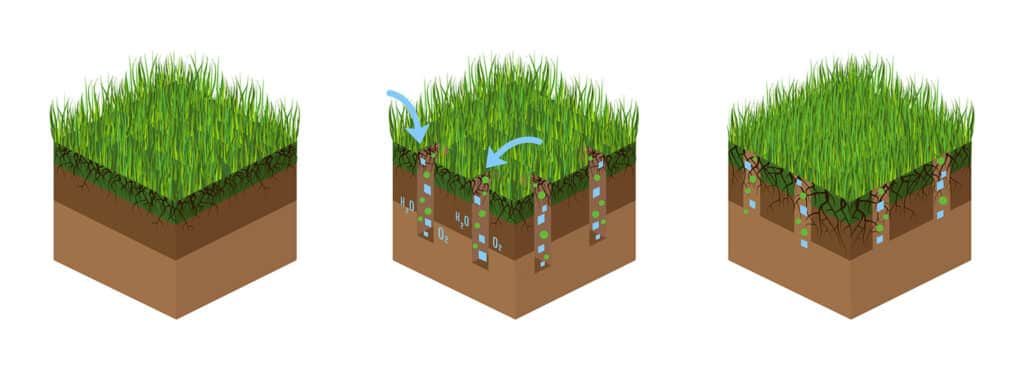
If your lawn’s been walked on, mowed over, or left compacted after a long winter, it’s probably gasping for air—literally. Compacted soil blocks the flow of water, oxygen, and nutrients to the roots, which leads to patchy, thin grass and frustrated homeowners.
Lawn aeration is one of the best things you can do to revive tired turf. And here in Minnesota, fall (mid-August through mid-October) is the sweet spot for cool-season grasses like Kentucky bluegrass and fescues. Spring works too, but fall recovery is faster. Think of it as opening up your lawn’s pores so it can breathe, drink, and grow again.
How Scott’s Lawn Care Helps You Solve the Problem
Scott’s Lawn Care, based in the West Twin Cities Metro, specializes in region-specific lawn care that fits your busy life. When it comes to aeration, they follow a proven process:
Step-by-Step Lawn Aeration
- Start with the right tool: Core aerators (not spike ones) pull out soil plugs to reduce compaction.
- Prep beforehand: Water your lawn a day or two in advance if it’s dry, and flag any sprinkler heads or shallow lines.
- Aerate thoroughly: Go over your lawn in multiple directions for full coverage—especially in high-traffic zones.
- Leave the plugs: Don’t rake them up! They naturally break down and feed your soil.
Aftercare
- Compost topdressing: Spread ¼ to ½ inch of compost and lightly rake it into the holes.
- Overseeding (especially in fall): Drop fresh grass seed right after aerating for a thicker, more resilient lawn.
- Water consistently: Keep soil evenly moist (not soggy) for 2–3 weeks to support new root growth.
Scott’s Lawn Care also offers full post-aeration services—from compost spreading to overseeding—so you don’t have to lift a finger unless you want to.
What You Can Expect
Whether you DIY or call in the pros, here’s what you’ll notice after aeration:
- Improved drainage and fewer puddles after rain
- Healthier root systems that grow deeper and resist drought
- Lusher, greener turf—especially when paired with compost and overseeding
- Reduced soil compaction, making future care easier
If your soil is clay-heavy, compacted, or sees a lot of foot traffic, aim to aerate every year. For lighter, loamy lawns, every 2–3 years may be enough.
Expect Scott’s team to show up reliably, handle the job without micromanagement, and apply Minnesota-specific expertise—no cookie-cutter solutions.
Envision a Healthier, Easier Lawn
Aeration isn’t just about fixing problems—it’s about unlocking your lawn’s full potential. After aeration, your yard becomes a sponge instead of a slab, ready to soak up water, support roots, and resist disease. With the right follow-up, your turf transforms into a dense, resilient carpet you’ll be proud of.
You don’t need to guess when or how—Scott’s Lawn Care brings the tools, timing, and local knowledge to get it right. So if you’re ready to take the guesswork out of lawn aeration and finally see results you can feel underfoot, their team is just a call away.
Next Step
Check for signs of compaction this fall. If your lawn feels hard, looks tired, or puddles after rain—don’t wait. Schedule an aeration with Scott’s Lawn Care or ask them about bundling it with overseeding for maximum impact.